What is a die-struck commemorative coin?
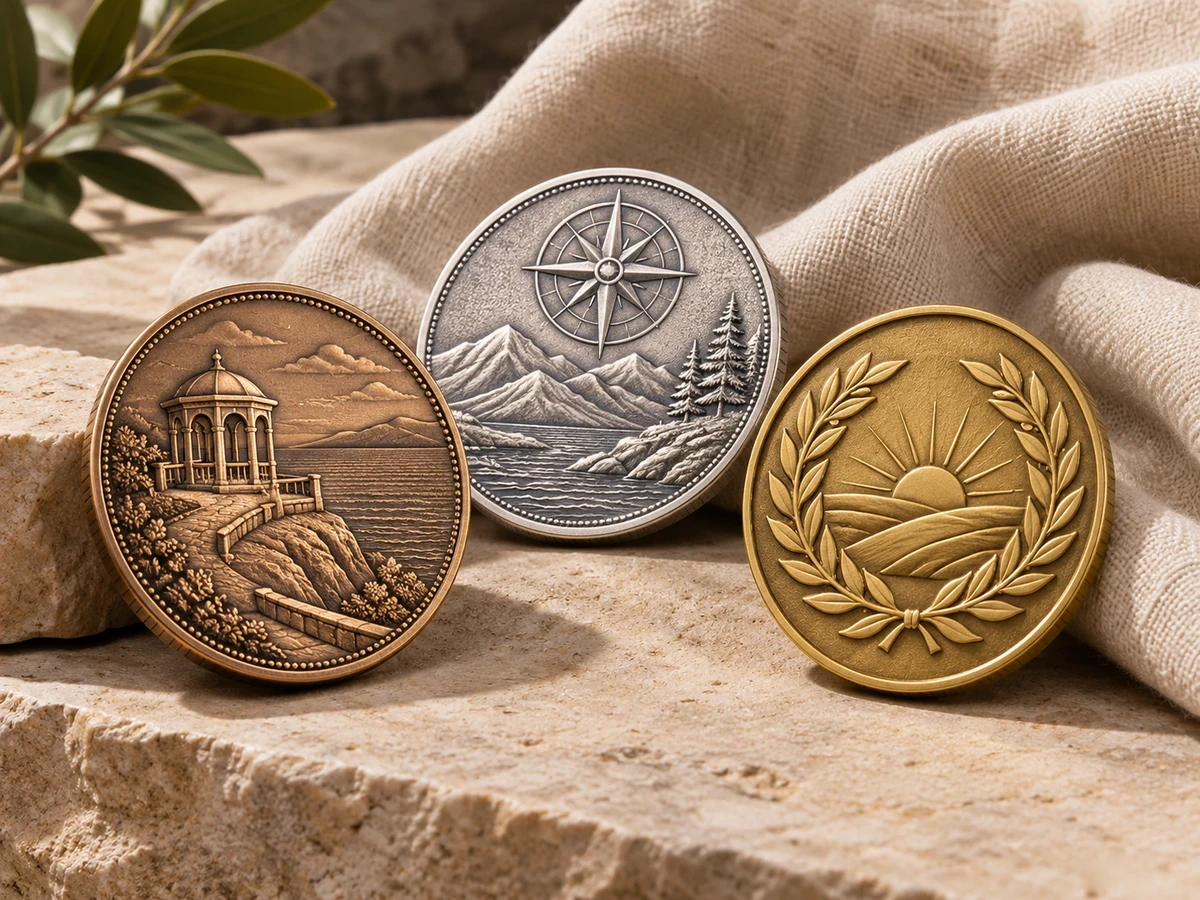
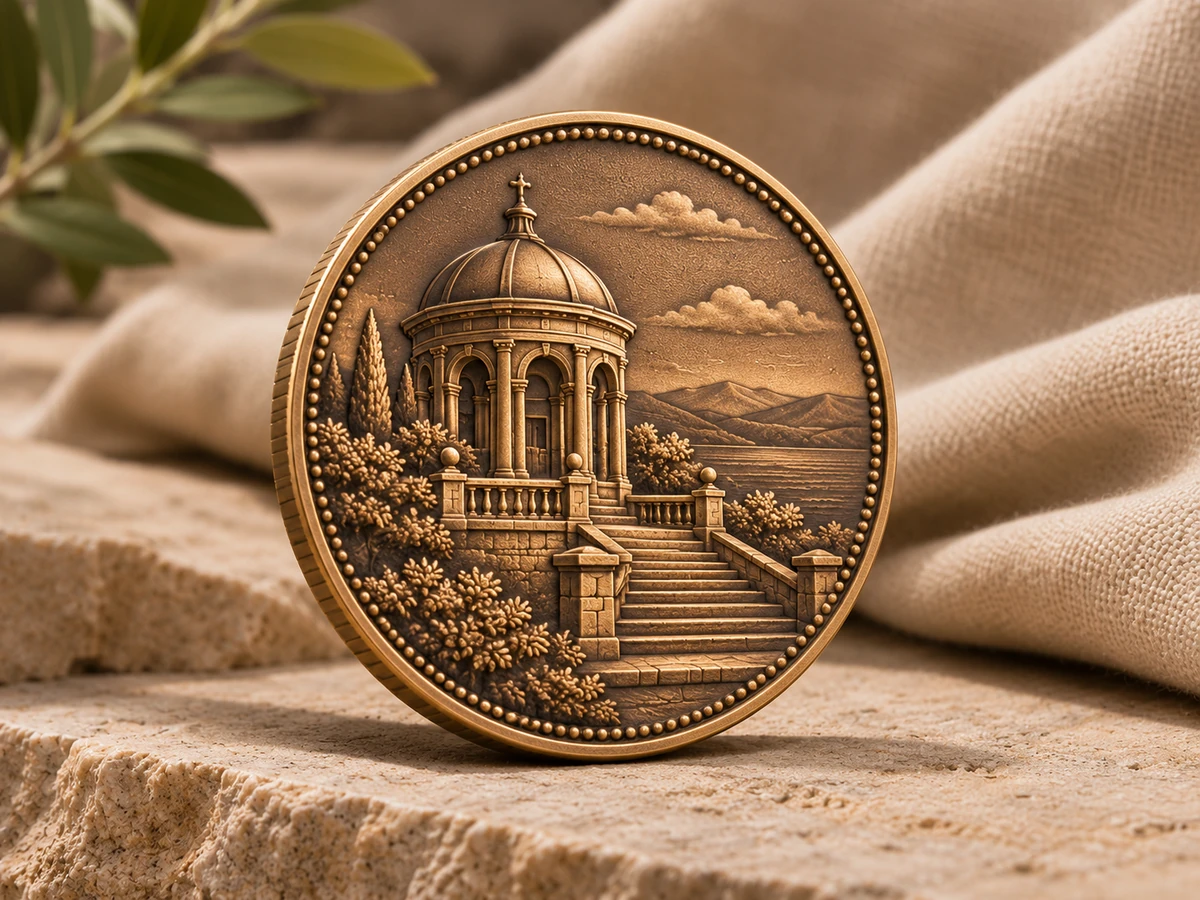
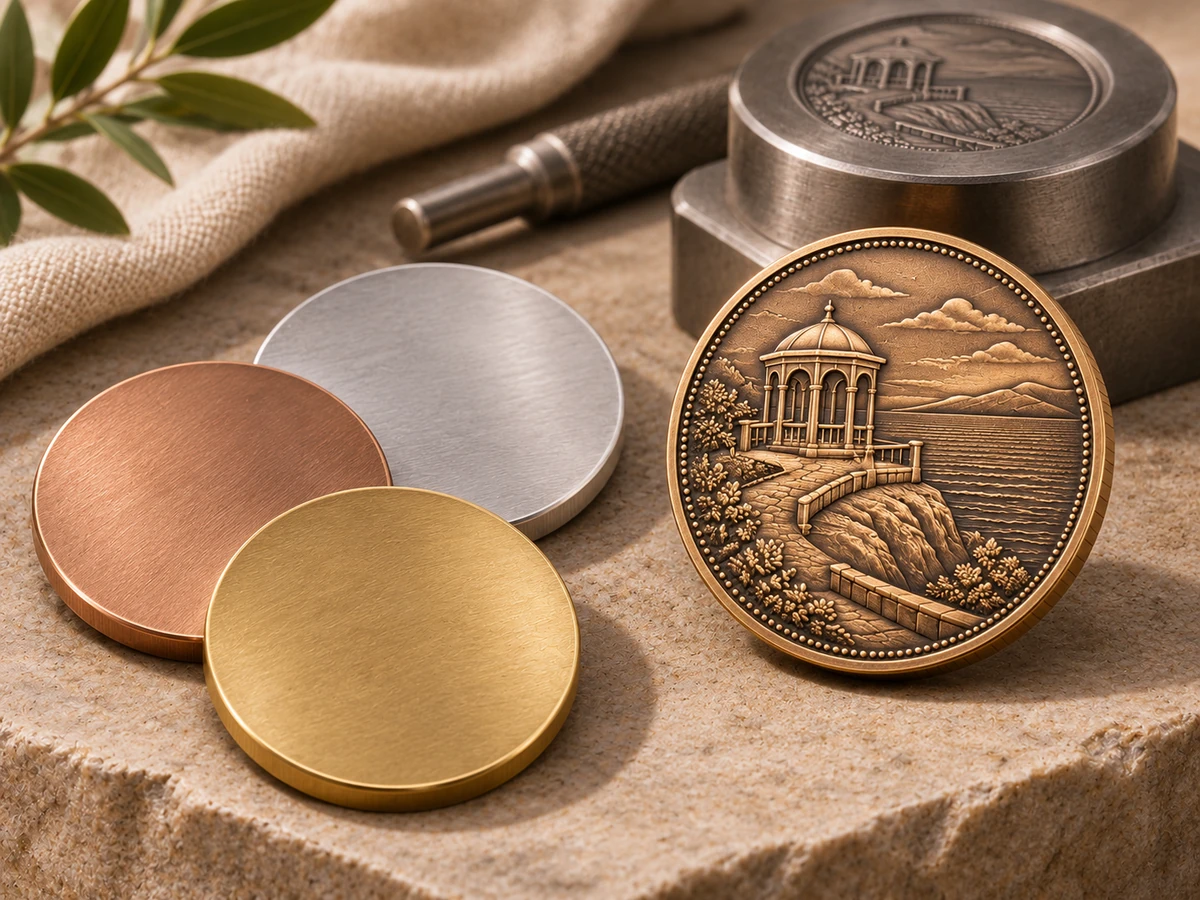
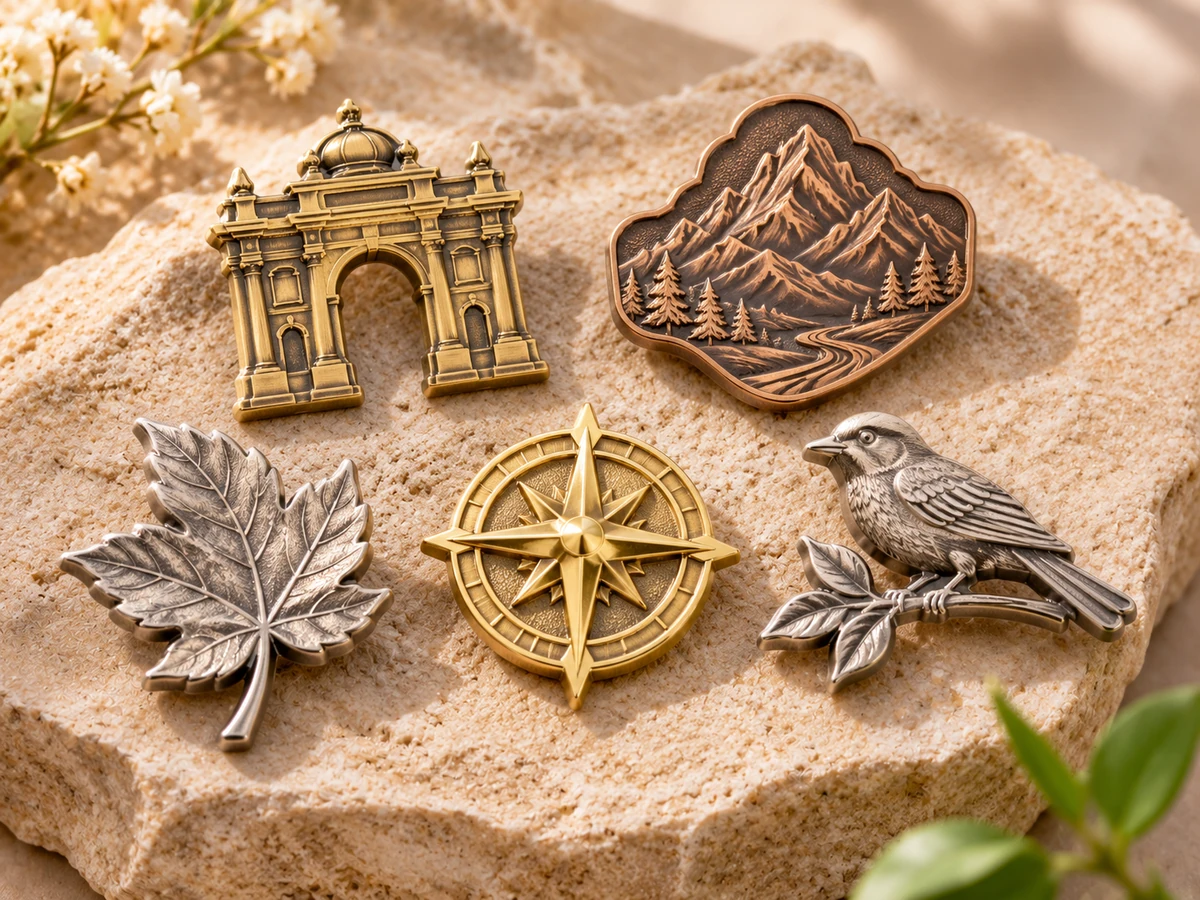
A die-struck coin-style piece uses tooling to press a design into a metal blank, creating raised and recessed relief. We can choose the intended base metal, forming process and finish during artwork and sample review.
How is a die-struck coin different from a die-cast or 3D coin?
Die striking generally forms controlled relief by pressing metal, while die casting introduces molten metal into a mould. Complex or deep sculptural geometry may need a different production approach; feasibility depends on the approved artwork, production method and sample.
Can the front and back have different designs?
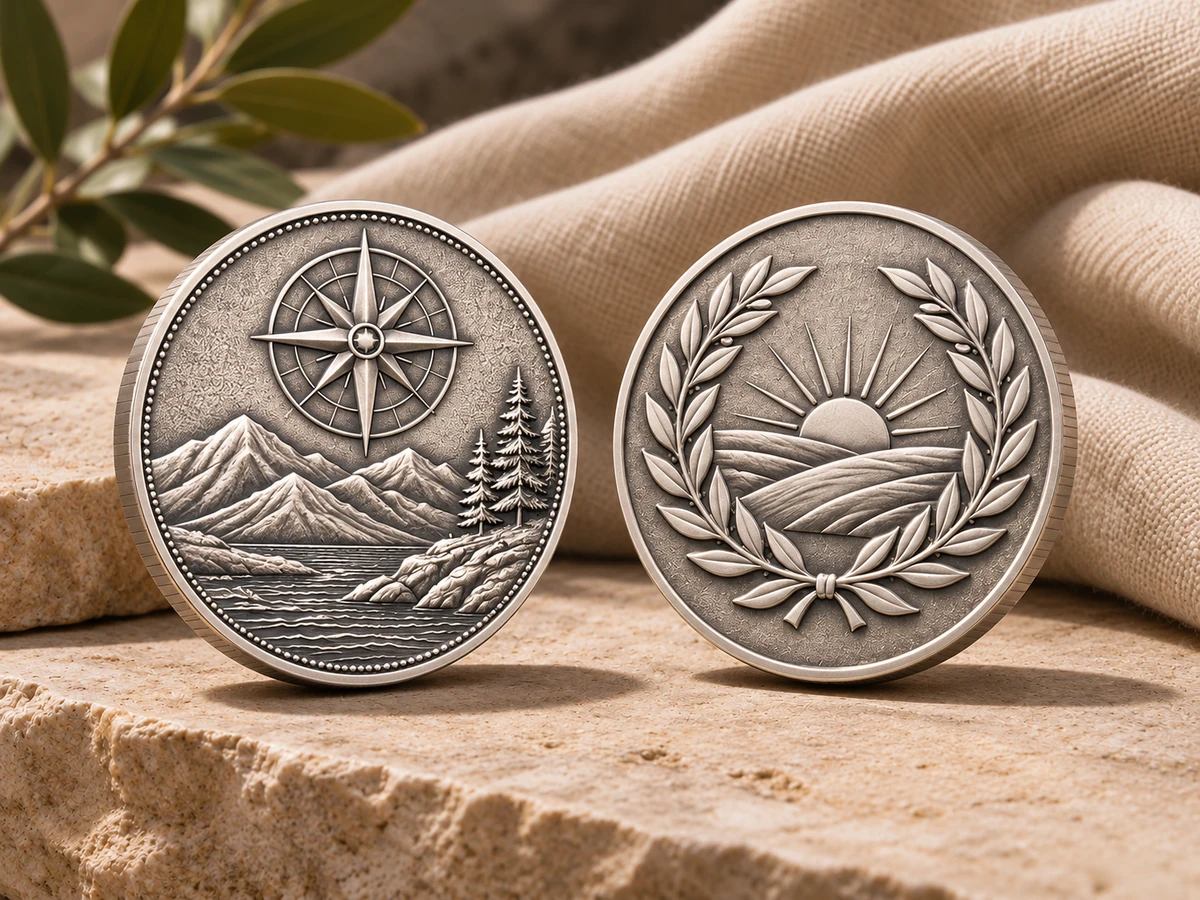
Yes, two related designs can be planned for review. Their orientation, lettering, border allowance and alignment need tooling feasibility checks and sample approval.
Can our museum, landmark or anniversary artwork become a coin?
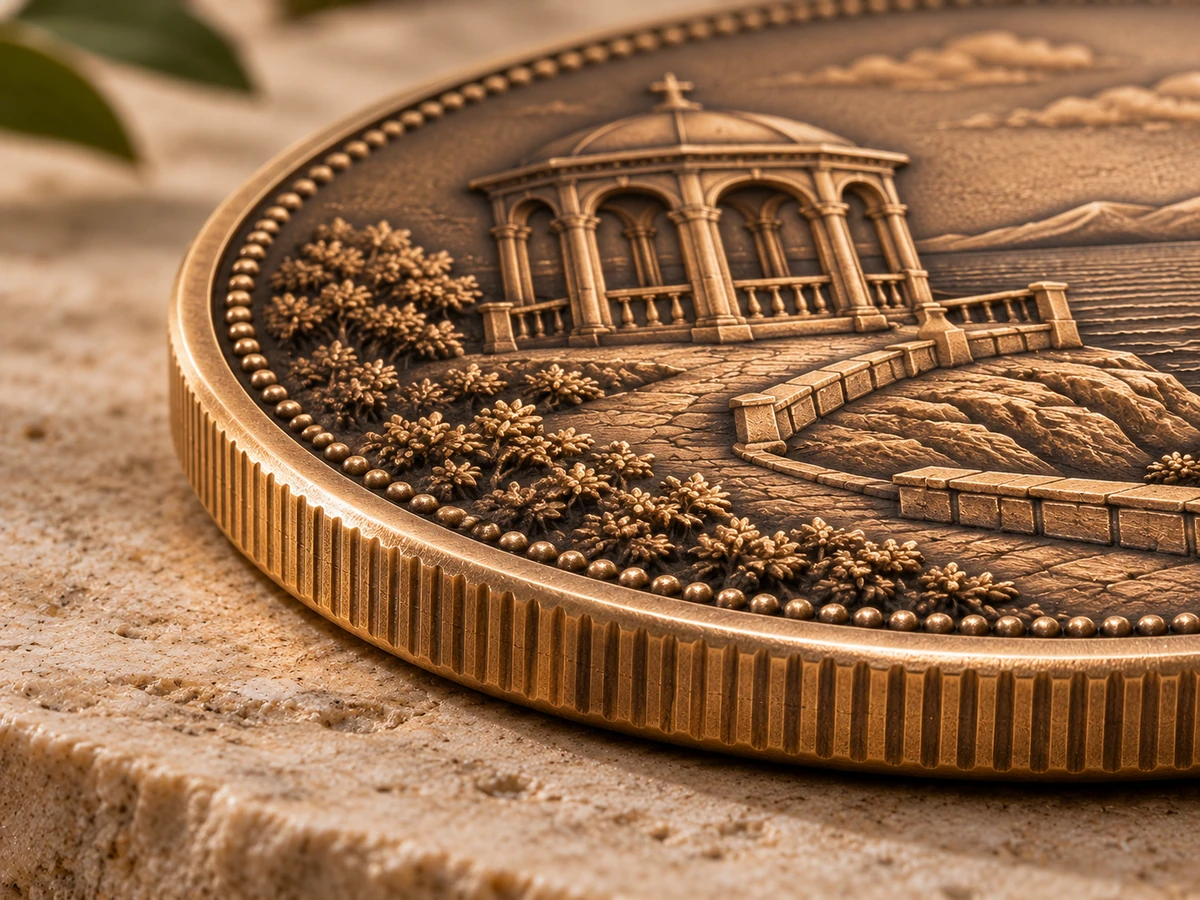
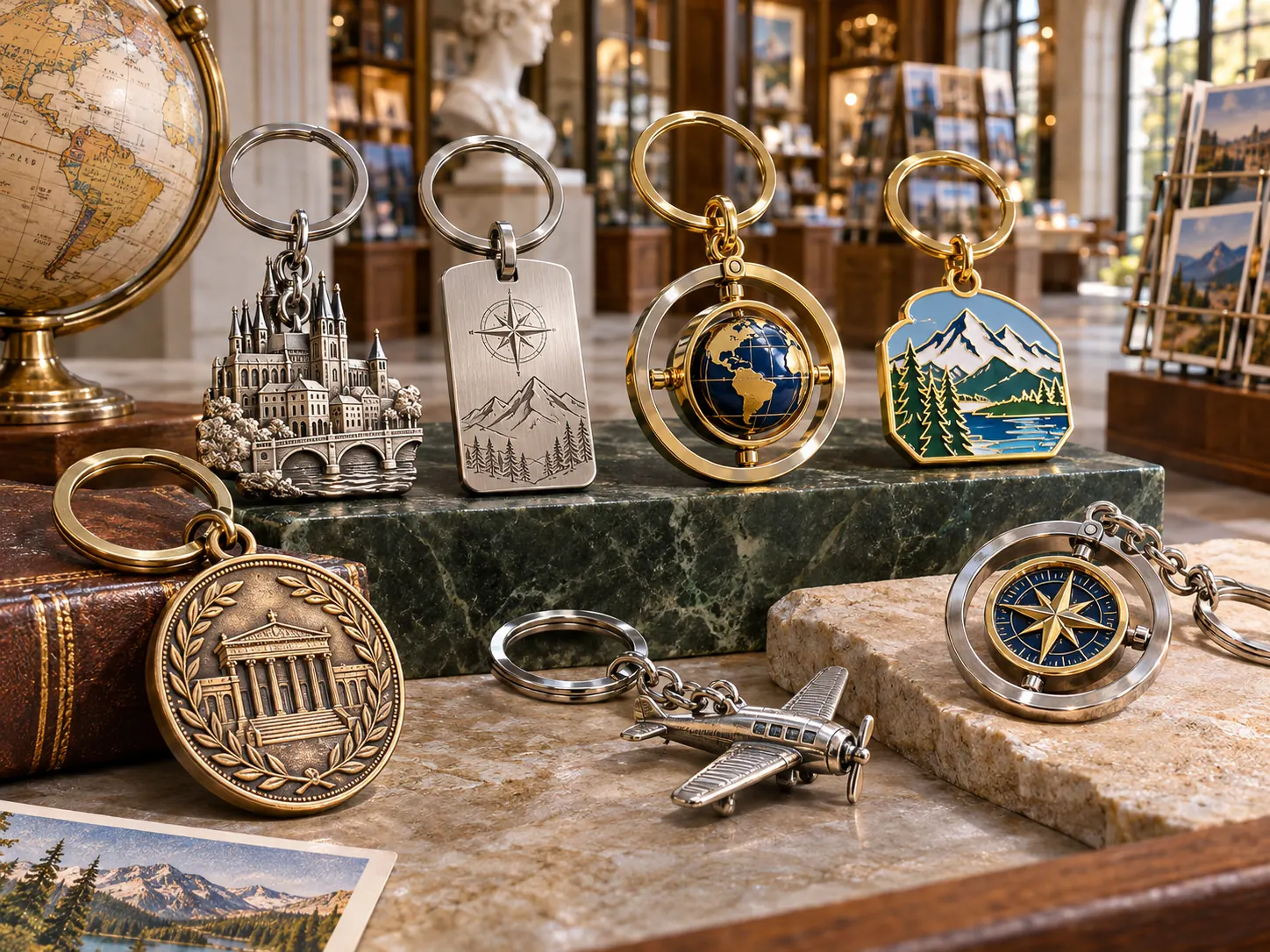
We can review original or properly authorized artwork as a project starting point. Small architectural details and lettering may need adjustment for the finished coin size.
Which metals and finishes can we consider?
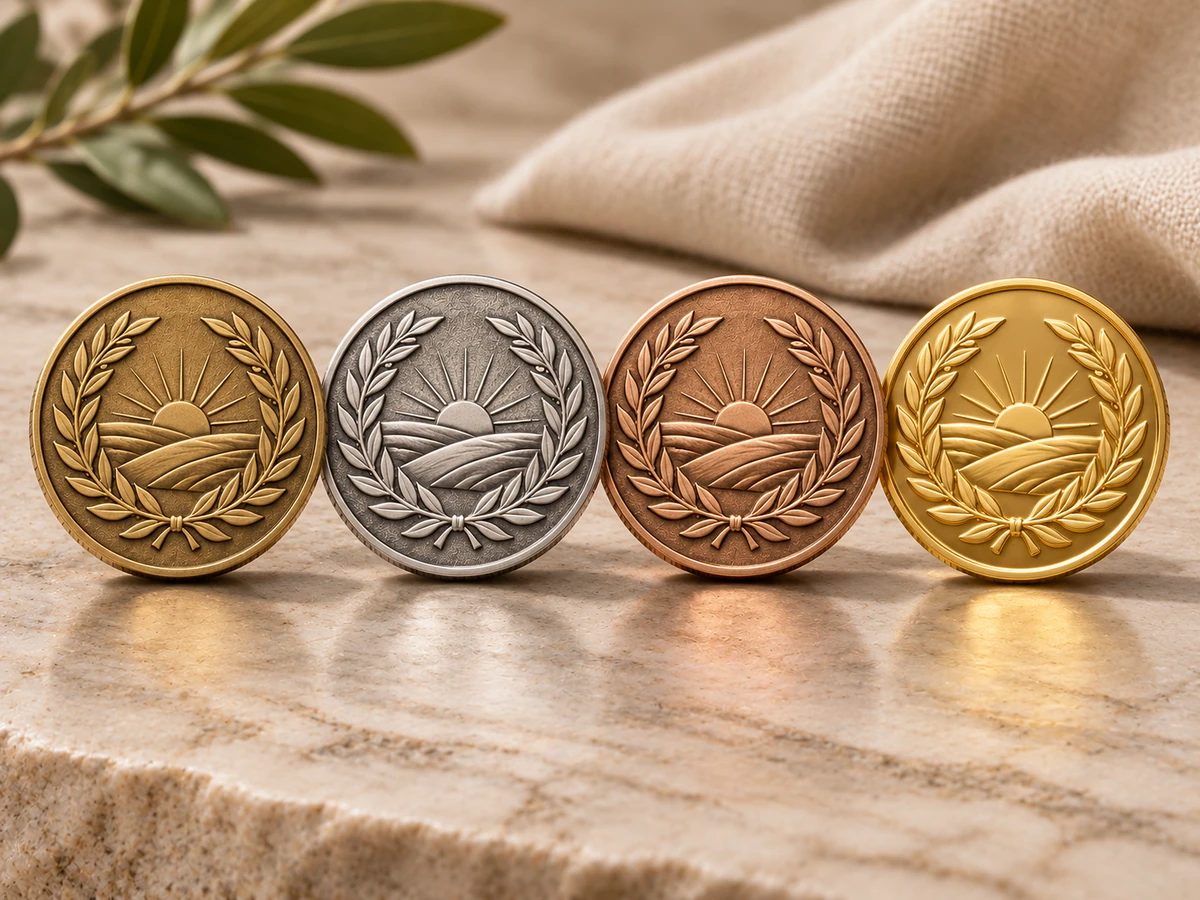
We can explore suitable base metals alongside antique, bright or polished finish directions. The selected alloy, any precious-metal specification, plating and final appearance are confirmed with supporting documentation and approved physical samples.
Can the coin have a special edge or coloured details?
Special edges and additional colouring may be evaluated separately. They require confirmation of achievable tooling, process, quantity and additional cost.
What are the MOQ, tooling charges and production lead time?
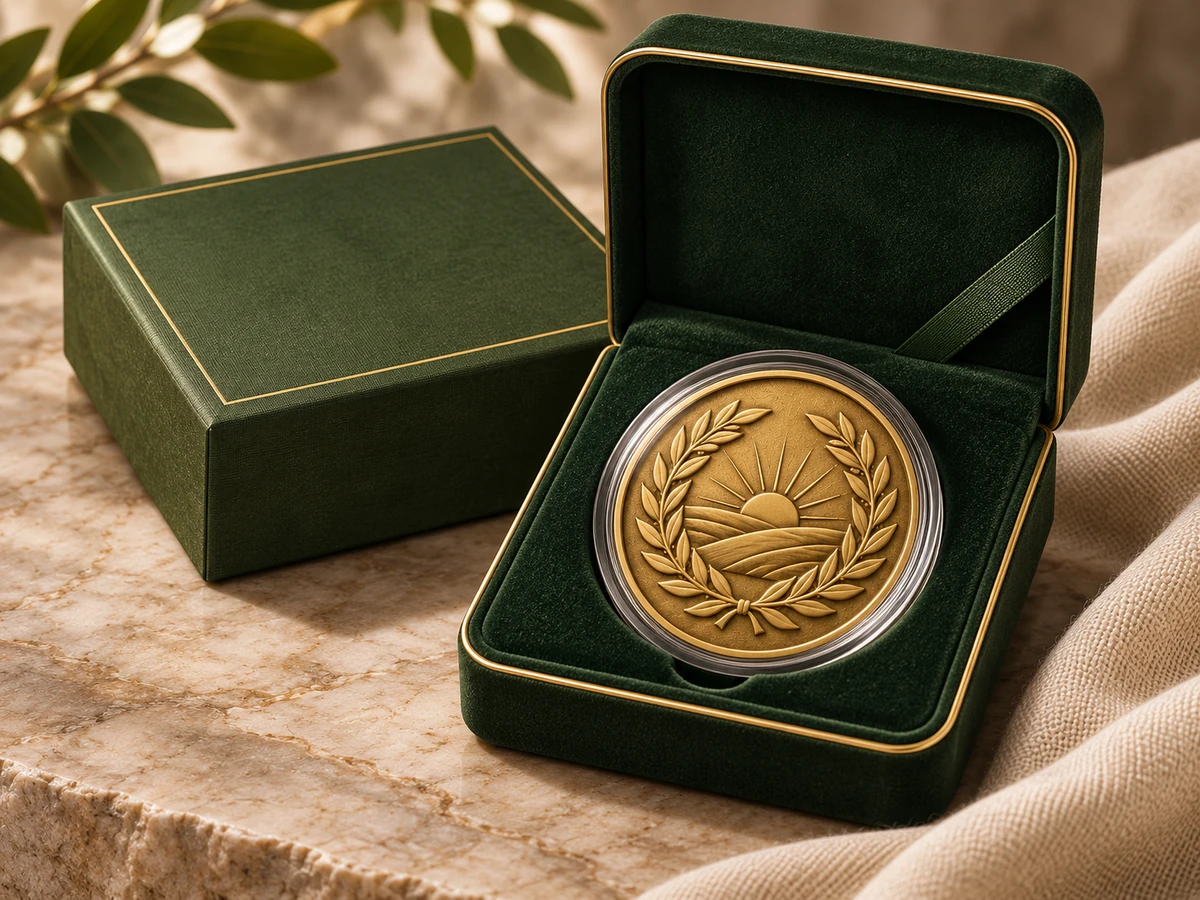
Tell us the design, metal finish, dimensions, quantity, packaging and destination for a project-specific MOQ, tooling and delivery proposal.
What should we send for a quotation?
Share the project purpose, original or licensed front/reverse artwork, size, finish preference, approximate quantity, packaging needs, country of destination and requested timing.